

Coșul tău
Noutățile companiei
Noutăți E-Malt
France: Beer and wine conglomerate Castel Group facing internal turmoil
UK: Spring barley area forecast to drop by 15% in 2026
Australia: Barley prices beginning to stabilize after four years of declines
EU: Early barley crop 2026 picture remains good, forecast for 2025 boosted by 0.2 mln tonnes
Malțurile noastre
Hameiurile noastre


Hameiuri noi
Drojdiile noastre
Condimentele noastre
Zahărul nostru
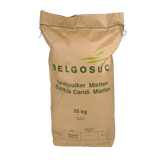
Capacele noastre
-
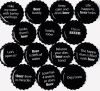
 Crown Caps 26 mm TFS-PVC Free, Negru col. 2217 Beer Season (10000/cutie)*
Adaugă în coş
Crown Caps 26 mm TFS-PVC Free, Negru col. 2217 Beer Season (10000/cutie)*
Adaugă în coş
-
 Kegcaps 64 mm, Maro 153 Sankey S-type (EU) (1000/cutie)
Adaugă în coş
Kegcaps 64 mm, Maro 153 Sankey S-type (EU) (1000/cutie)
Adaugă în coş
-
 CC29mm TFS-PVC Free, Albastru without oxygen scav.(7500/cutie)
Adaugă în coş
CC29mm TFS-PVC Free, Albastru without oxygen scav.(7500/cutie)
Adaugă în coş
-
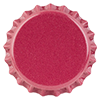 Capace 26mm TFS-PVC Free, Bordeaux Red col. 20025 (10000/cutie)
Adaugă în coş
Capace 26mm TFS-PVC Free, Bordeaux Red col. 20025 (10000/cutie)
Adaugă în coş
-
 CC29mm TFS-PVC Free, Rosu with oxygen scav.(7000/cutie)
Adaugă în coş
CC29mm TFS-PVC Free, Rosu with oxygen scav.(7000/cutie)
Adaugă în coş
Certificate
 Certificate Bio Cambie Hop VOF 2024-2025
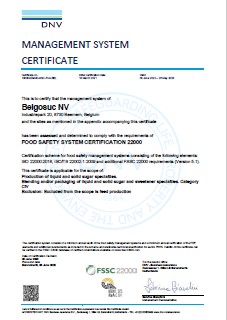 Belgosuc sugar, Management System Certificate 2022 (English)
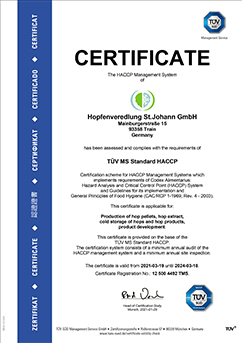 Hops Hopfenveredlung St.Johann, HAACP Certificate 2021-2024
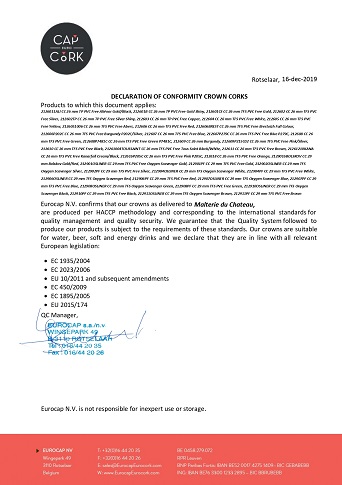 Crown Cork EUROCAP Conformity Certificate 2019
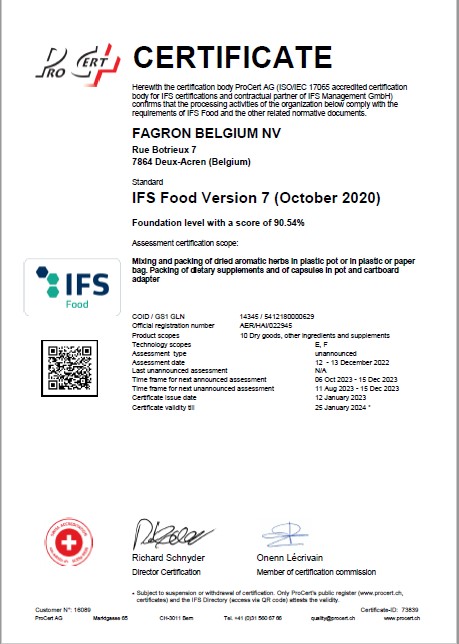 Fagron Spices, IFSFood Certificate 16089, EN 2024
Sugestie
Abonați-vă



 Zimbabwe: AB InBev’s Delta Beverages abandons plan to only accept hard currency payments
Zimbabwe's largest brewing company Delta Beverages, part-owned by Anheuser-Busch InBev, said it has abandoned a plan to only accept hard currency payments to cope with a crippling shortage of US dollars, after the government intervened, ESM reported on January 5.
Delta Beverages announced on January 2 that it would only take payments in US currency and would no longer accept electronic dollars known as 'Zollars', or a quasi-currency known as 'bond notes', amid a severe shortage of hard currency in Zimbabwe.
However, the country's commerce minister said on January 3 that the government opposed the plan and Delta, 40% owned by Anheuser-Busch InBev, scrapped the plan following a meeting with senior politicians and reserve bank officials.
"Delta withdraws the notice to sell its products exclusively in hard currency, in the spirit of the multi-currency framework," Delta and Zimbabwe's reserve bank said in a joint statement late on January 3.
The reserve bank said it would endeavour to provide the foreign currency required to ensure that Delta continues to trade "on the current basis".
In a separate statement on January 4, Delta said shortages of its products, particularly soft drinks, would persist while the arrangement gets underway.
Zimbabwe's currency crisis is undermining President Emmerson Mnangagwa's efforts to win back foreign investors who were sidelined under his predecessor Robert Mugabe.
Zimbabwe abandoned its currency in 2009, adopting the US dollar in an effort to tame hyperinflation, but a severe shortage of physical notes has seen dollars in bank accounts lose value compared with cash.
Companies such as Delta have been left struggling because they have to spend US dollars overseas, but their takings consist of Zollars or 'bond notes', which are worth far less.
Zimbabwe began issuing 'bond notes' in late-2016 in an effort to ease the worsening cash crunch. The quasi-currency was supposed to trade in parity with the US dollar but it wasn't long before it devalued sharply on the street.
As inflation shot up, the reserve bank in October ordered banks to separate dollars and the electronic "Zollars' in customer accounts, effectively recognising the country has two currencies.
That spooked investors and Zimbabweans panicked amid acute shortages of fuel and basic goods, piling pressure on Mnangagwa as he attempts to rebrand Zimbabwe after decades of international isolation under Mugabe.
Înapoi