

Tu carrito
Noticias de Empresa
E-Malt news
UK: Britons drinking less alcohol than before
The Netherlands: Heineken fined for distributing beer cans without mandatory deposit
Argentina: Barley crop forecast maintained at 5.4 mln tonnes
Australia: Barley harvest almost complete and likely to reach 15.8 mln tonnes
Nuestras maltas



Nuestros lúpulos

New Hops


Nuestras levaduras



Nuestras especias




Nuestros azúcares
Nuestras tapas
-
 Tapas 26mm TFS-PVC Free, Red Neu col. 2151 (10000/caja)
Añadir al carrito
Tapas 26mm TFS-PVC Free, Red Neu col. 2151 (10000/caja)
Añadir al carrito
-
 Tapas 26mm TFS-PVC Free, Blue Neu col. 2832 (10000/caja)
Añadir al carrito
Tapas 26mm TFS-PVC Free, Blue Neu col. 2832 (10000/caja)
Añadir al carrito
-
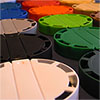 Kegcaps 64 mm, Rojas 56 Sankey S-type (EU) (1000/caja)
Añadir al carrito
Kegcaps 64 mm, Rojas 56 Sankey S-type (EU) (1000/caja)
Añadir al carrito
-
Kegcaps 64 mm, Black 91 Sankey S-type (EU) (1000/caja)
Añadir al carrito
-
Kegcaps 64 mm, Orange 43 Sankey S-type (EU) (1000/caja)
Añadir al carrito
Recetas de Cerveza



Certificados
-
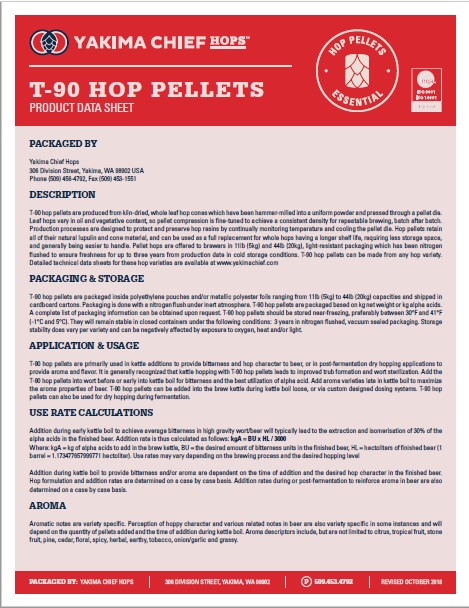 Hops Yakima Chief, T90 Hop Pellets Product data sheet
-
 Belgosuc Sugar, Organic certificate 2024-2027
-
 Malt Attestation of conformity for non-irradiation, non-ionization, and the absence of nanomaterials 2024 (ENG)
-
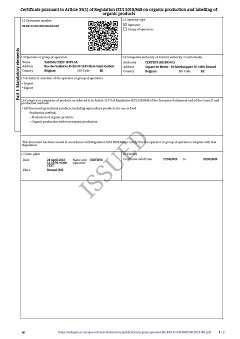 Hops Yakima Chief, Certificate Bio 2023-2026
-
 Barth Haas Hops: EU Food Safety Declaration 2022
Sugerencia
Join us



 South Africa: Beverage cans the most recycled
The steel beverage can, as used for beer and soft drinks, ranks as South Africa's most recycled packaging container, Cape Business News reported June 02.
According to Collect-a-Can 67% of the 2.6 billion steel beverage cans made in South Africa annually are collected and recycled.
Collect-a-Can is a joint venture initiative between Nampak and Mittal Steel.
The recycling rate of this type of packaging is the highest in the country and amongst the highest in the world.
According to a recent AC Nielsen report 60% of South Africans know of Collect-a-Can and there are more than 400 000 collectors directly or indirectly involved in can recycling.
Besides the obvious ecological benefits, it's estimated that the Collect-a-Can programme provides employment to some 38 000 jobless people who would normally have no access to regular income. Individual collectors, who supply about a ton of cans every month, receive between R400 and R500 while larger collectors, who collect between 35 to 37 tons, earn about R15 000 a month. Once collected, the cans are transported to steel mills where they are melted.
According to the company steel is one of the most recyclable commodities as the quality does not depreciate after use. The printing on the cans does not affect the quality either.
Collect-a-Can believes it is the flagship for recycling on the sub-continent. In the past, beverage cans, which contributed 85% by volume to litter, now contribute less than one percent.
The company operates throughout the SADC region.
Regresar