

Tu carrito
Noticias de Empresa
E-Malt news
India: Pernod Ricard retains position as India’s largest alcoholic beverage maker by value
China: Tsingtao Brewery focusing on portfolio optimization and channel expansion
USA, MA: Wandering Star Craft Brewery’s time in the Berkshires comes to an end
USA, NY: Fifth Frame Brewing Co. announces abrupt and immediate closure
Nuestras maltas
Nuestros lúpulos



New Hops
Nuestras levaduras



Nuestras especias
Nuestros azúcares

Nuestras tapas
-
 Kegcaps 64 mm, Black 91 Sankey S-type (EU) (1000/caja)
Añadir al carrito
Kegcaps 64 mm, Black 91 Sankey S-type (EU) (1000/caja)
Añadir al carrito
-
Kegcaps 64 mm, Beige 65 Sankey S-type (EU) (1000/caja)
Añadir al carrito
-
 Kegcaps 69 mm, Azules 141 Grundey G-type (850/caja)
Añadir al carrito
Kegcaps 69 mm, Azules 141 Grundey G-type (850/caja)
Añadir al carrito
-
Kegcaps 64 mm, Rojas 150 Sankey S-type (EU) (1000/caja)
Añadir al carrito
-
 CC29mm TFS-PVC Free, Azules without oxygen scav.(7500/caja)
Añadir al carrito
CC29mm TFS-PVC Free, Azules without oxygen scav.(7500/caja)
Añadir al carrito
Recetas de Cerveza



Certificados
-
 Malt Attestation of Conformity for pesticides and contaminants 2024 (ENG)
-
 Malt Attestation of conformity for non-irradiation, non-ionization, and the absence of nanomaterials 2024 (ENG)
-
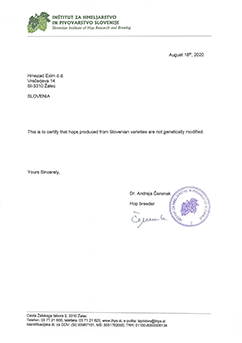 Hmezad Hops, Genetically Free Certificate 2022
-
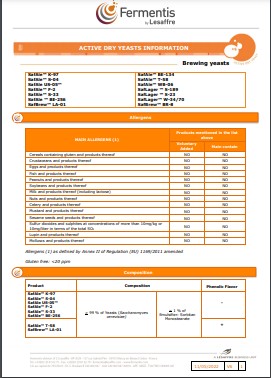 Fermentis - Brewing Yeasts Information 2023
-
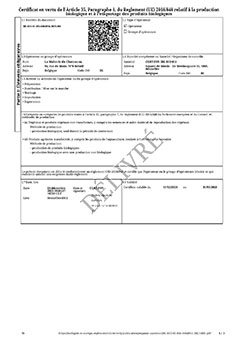 Certificat BIO FR: Malt, Houblon, Sucre - décembre 2023- mars 2026
Sugerencia
Join us




Peru: U.S. researchers have unearthed what they say may be the oldest known brewery in the Andes, a pre-Incan plant at least 1,000 years old that could produce drinks for hundreds of people at one sitting. The University of Florida said on July 28 that its archeologists and researchers from the Field Museum in Chicago found the brewery at Cerro Baul, a mountaintop religious center of the Wari empire that ruled what is now Peru hundreds of years before the Incas.
At least 20 ceramic, 10- to 15-gallon (38- to 57-litre) vats were found at the site some 8,000 feet up in the mountains of southern Peru. "You get the idea that this is massive production, not just your basic household making beer to consume by itself," Susan deFrance, an assistant professor of anthropology at the University of Florida, said in a statement.
Patrick Ryan Williams, assistant curator at the Field Museum, said the site was remarkable for its size. Small-scale brewing is known to have been done in the Andes for thousands of years, he said by telephone from Peru. The Wari civilization thrived from about A.D. 700 to 1000, conquering all of what is modern Peru before swiftly and mysteriously declining. The brewery is thought to have produced "chicha," an alcoholic drink derived at the time mainly from a berry of the molle pepper plant. Modern chicha is made from corn.
Last year University of Florida archeologists discovered what they think are halls for "ritual intoxication" at Cerro Baul, where Wari noblemen apparently feasted and drank. Mike Moseley, associate chairman of anthropology at the university, said the halls "become a place where politics are negotiated and economic decisions are made." Williams said each nobleman would have consumed up to 2.6 gallons (10 litres) of chicha per ceremony.
The site appears to have been destroyed in a closing rite. The Wari burned the structures, threw their mugs into the embers and laid down a half-dozen necklaces of semiprecious stones as they left, said Moseley.
Regresar